The Dental Implant Restoration Procedure
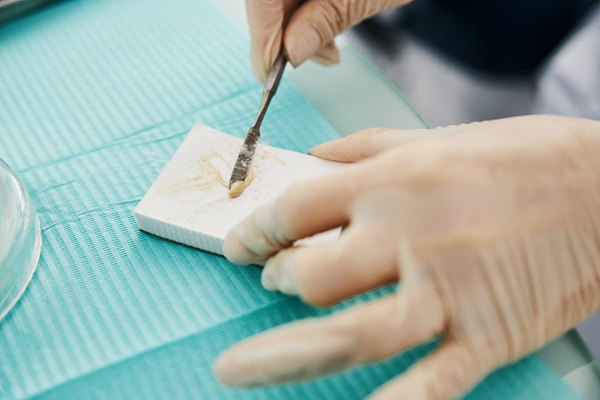
A dental implant restoration is as good as it gets when it comes to replacing a lost tooth. Implants are designed to feel natural in your mouth and they are virtually indistinguishable from real teeth. Implants are a long-lasting solution for missing teeth that can last a lifetime.
What to expect when getting a dental implant restoration
Thinking about replacing your lost tooth with a dental implant restoration? Here is what the process looks like:
The consultation stage
Getting implants starts with a dental examination. The dentist evaluates the patient’s teeth by performing a visual examination and taking x-ray images. This helps to determine if the patient is eligible for implants. Implants are held in place by bone tissues in the jaw so the patient’s jawbone should be thick enough to house the prosthetic.
Patients should have good overall health to be eligible for implants. Diabetes and other health conditions that weaken the immune system make it harder to recover from implant surgery.
The planning stage
During this stage, the dentist will break down how the patient’s treatment will unfold over time. Some patients might need to get bone grafts to thicken their jawbone for an implant. That adds an extra three months to the process since the patient needs to be healed before implants can be inserted. The examination and planning stage typically take place during the patient’s first visit.
Bone grafting stage
This stage is only necessary when the patient’s jaw is not thick enough to hold an implant. It might require multiple visits depending on the type of bone graft being performed.
Surgery stage
This involves the oral surgeon surgically putting the implant in the patient’s jaw. Incisions might be made into gum tissues to reach the bone tissues the implant will be inserted in. It takes three to six months to heal from the procedure. The implant might be covered with a healing cap after its installation.
Crowning stage
This is the final stage of the implant installation process. The oral surgeon removes the healing cap and attaches an abutment to the implant. Impressions of the patient’s teeth are used to craft a crown that rests on the abutment. The impression is sent to a lab where implant crowns are made. It can take up to two weeks for the finished crown to be ready. The crown is fitted on the abutment to complete the treatment. The entire process takes anywhere between six to nine months from start to finish.
The benefits that come with choosing implants include:
- No need for special maintenance
- Restores the function of lost teeth
- Looks natural and is almost impossible to detect
- Prevents the breakdown of bone tissues in the jaw
- Prevents remaining teeth from moving out of their proper positions
Replace your lost tooth with an implant
Ready to restore your lost tooth? Call our Richmond clinic to schedule a consultation appointment.
Request an appointment here: https://osinadds.com or call Tamara S. Osina, D.D.S. at (281) 532-8183 for an appointment in our Richmond office.
Check out what others are saying about our dental services on Yelp: Dental Implant Restoration in Richmond, TX.
Related Posts
A restorative dentist helps patients regain healthy, functional, and beautiful smiles by repairing damaged or missing teeth. Dental problems such as decay, cracks, and tooth loss can affect appearance and oral health. Restorative treatments improve the function of teeth while also enhancing confidence.Cavities are among the most common dental issues. A restorative dentist treats them…
Is it time for a smile makeover? If you look in the mirror and do not like your teeth, there are things you can do to change it. Your general dentist can offer various treatments and procedures to revive your smile and give you the appearance you have always wanted. Your dentist can discuss your…
A preventative dentist is vital in protecting long-term oral health by identifying and addressing risks before they develop into serious concerns. From proactive care to personalized guidance, a preventive dentist helps reduce the likelihood of cavities, gum disease, and other common dental conditions. By encouraging consistent checkups and healthy habits, this approach supports stronger teeth,…
Preventive dentistry is important in maintaining oral health. Visits in this field of dentistry involve treatment and dental education. These appointments aim to prevent gum disease, cavities, and enamel wear. They result in an attractive smile and healthy teeth. If you want to know more about vital preventive dentistry visits, here are the details.Preventing the…