Dental Bridge Options: How Bridges Replace Missing Teeth and Support Bite Function
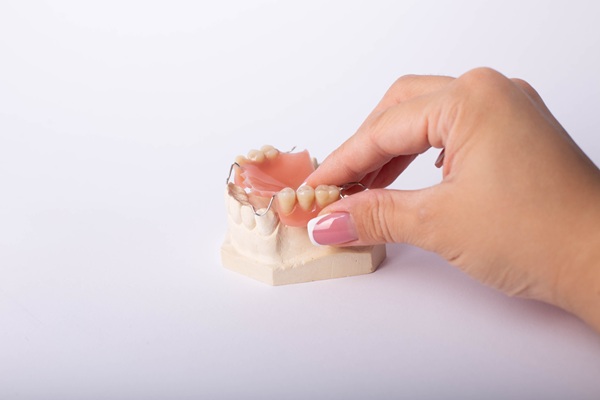
A dental bridge is a durable, fixed solution for those wanting to restore their smile after tooth loss. If you have a gap in your smile because of a missing tooth, you may have already noticed that eating and speaking feel less natural than they used to. Learning how a bridge addresses these problems can help you decide whether it is the right option for your smile.
How replacing missing teeth improves bite function
Missing any number of teeth can fundamentally change the mechanics of the jaw. When a gap exists, the neighboring teeth often begin to tilt into the open space. This shift can lead to misaligned bites, overcrowded teeth, and increased wear on the remaining enamel. In addition, the opposite tooth in the other arch may drift toward the gap. This can create uneven contact points that lead to jaw fatigue or headaches over time.
Beyond the physical movement of the teeth, a gap can impact speech clarity. Many common sounds require the tongue to make specific contact with the teeth; when that contact point is missing, pronunciation can become difficult or include a slight whistle. A bridge helps maintain the proper spacing and airflow so that the mouth functions as a cohesive unit when talking.
Dental bridges: What are they, and how do they work?
A dental bridge is a custom-made restoration that can fill the gap left by one or several missing teeth in a row. The bridge framework consists of an artificial tooth, known as a pontic, held in place by anchor points on either side of the gap. These anchors are typically natural teeth that have been fitted with dental crowns or wings, although dental implants can also serve as the foundation. The mission is to replace the missing tooth in a way that looks natural and feels strong enough for daily use.
The different options for a dental bridge
The process of selecting a dental bridge involves analyzing the health of the surrounding teeth and the specific hygiene requirements of the gap. With a thorough evaluation, a dentist can recommend which of the following designs could be the most reliable choice:
- Traditional. This design places crowns on the teeth flanking the gap to provide a sturdy anchor for the artificial tooth.
- Cantilever. This configuration uses a single anchor and is reserved for areas that do not experience heavy biting pressure.
- Maryland. This approach is often best for front teeth, employing metal or porcelain wings bonded to the back of adjacent teeth.
- Implant-supported. For larger gaps, this bridge uses dental implants as anchors.
For each of these dental bridges, the false tooth is crafted from materials like zirconia or porcelain-fused-to-metal (PFM). The exact material is chosen based on the required strength and the location of the missing tooth. Every bridge is custom-contoured and color-matched so that the new tooth blends perfectly with the existing smile.
Find out more about dental bridges
Replacing missing teeth is one of the most effective ways you can protect long-term bite function and self-confidence. A dentist can help you choose the bridge design that best fits your health history and your aesthetic goals. To explore your options, schedule an appointment today.
Request an appointment here: https://osinadds.com or call Tamara S. Osina, D.D.S. at (281) 532-8183 for an appointment in our Richmond office.
Check out what others are saying about our dental services on Yelp: Dental Bridges in Richmond, TX.
Related Posts
Dental bridges offer a reliable and effective solution for replacing missing teeth. A missing tooth, whether caused by injury, decay, or other dental issues, can impact the health and appearance of your smile. Fortunately, dental bridges can help restore your oral health. Here are five benefits of choosing dental bridges as your tooth replacement option.Dental…
A dental bridge is an option for those who have lost teeth and need to fill in that space to complete their smile or bite. The procedure involves crowns being placed on supporting teeth (known as abutment teeth) that are fused with your missing tooth or teeth by what's called an implant post. The tooth-replacement…
A damaged dental crown can disrupt daily life and put the underlying tooth at risk for further complications. When a dental crown chips, loosens, or breaks entirely, prompt action can help prevent discomfort, infection, or more extensive dental work. Understanding the proper steps to take ensures the best chance of preserving oral health and restoring…
If you have an extensively decayed tooth or the filling applied is too big for your tooth to support it, your dentist will probably recommend putting in a dental crown. This is a prosthesis designed to look like a natural tooth, but it is hollow inside to fit over the damaged tooth. In addition to…